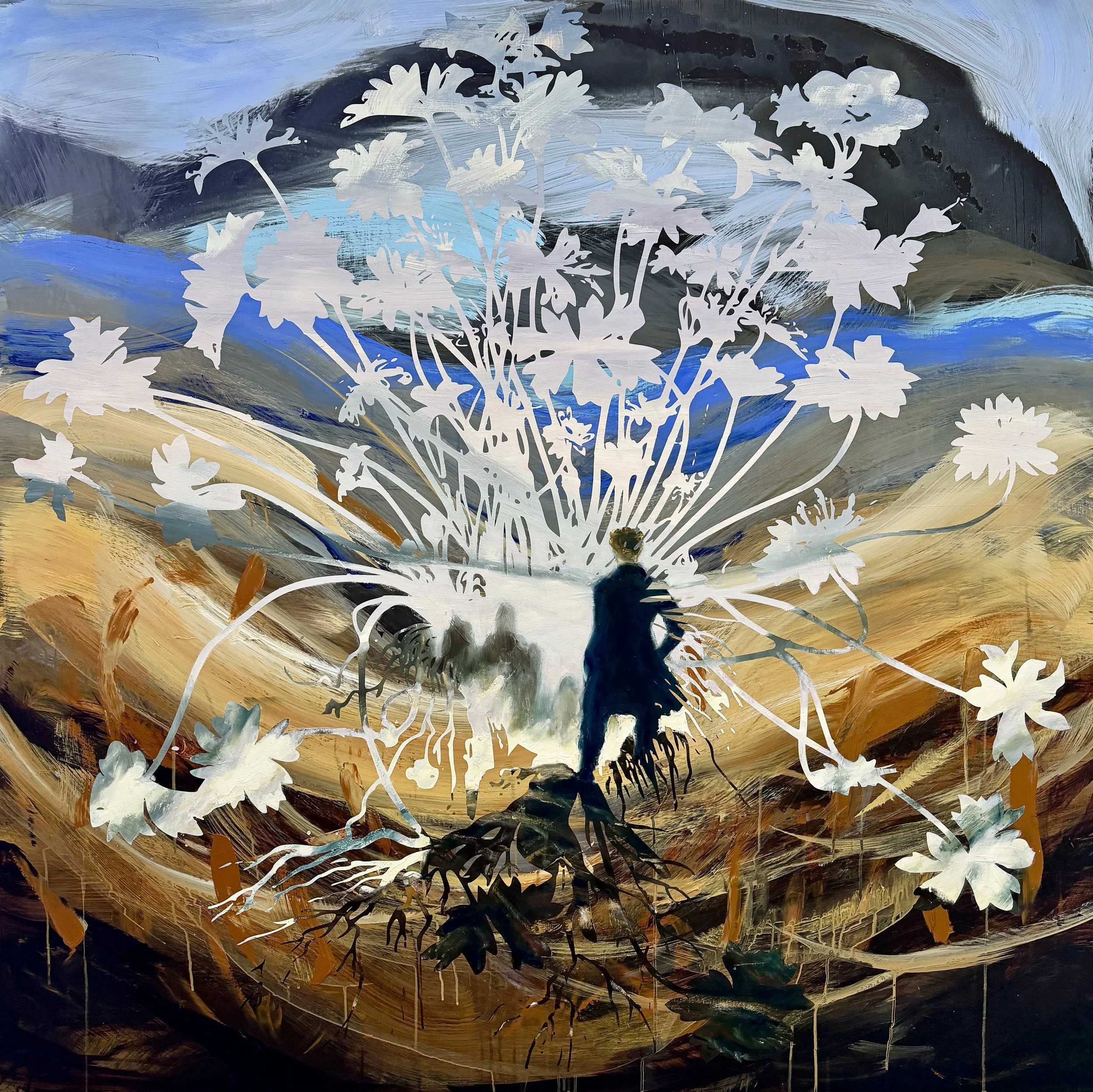
DC Art Now, DC Art Bank finalist exhibition
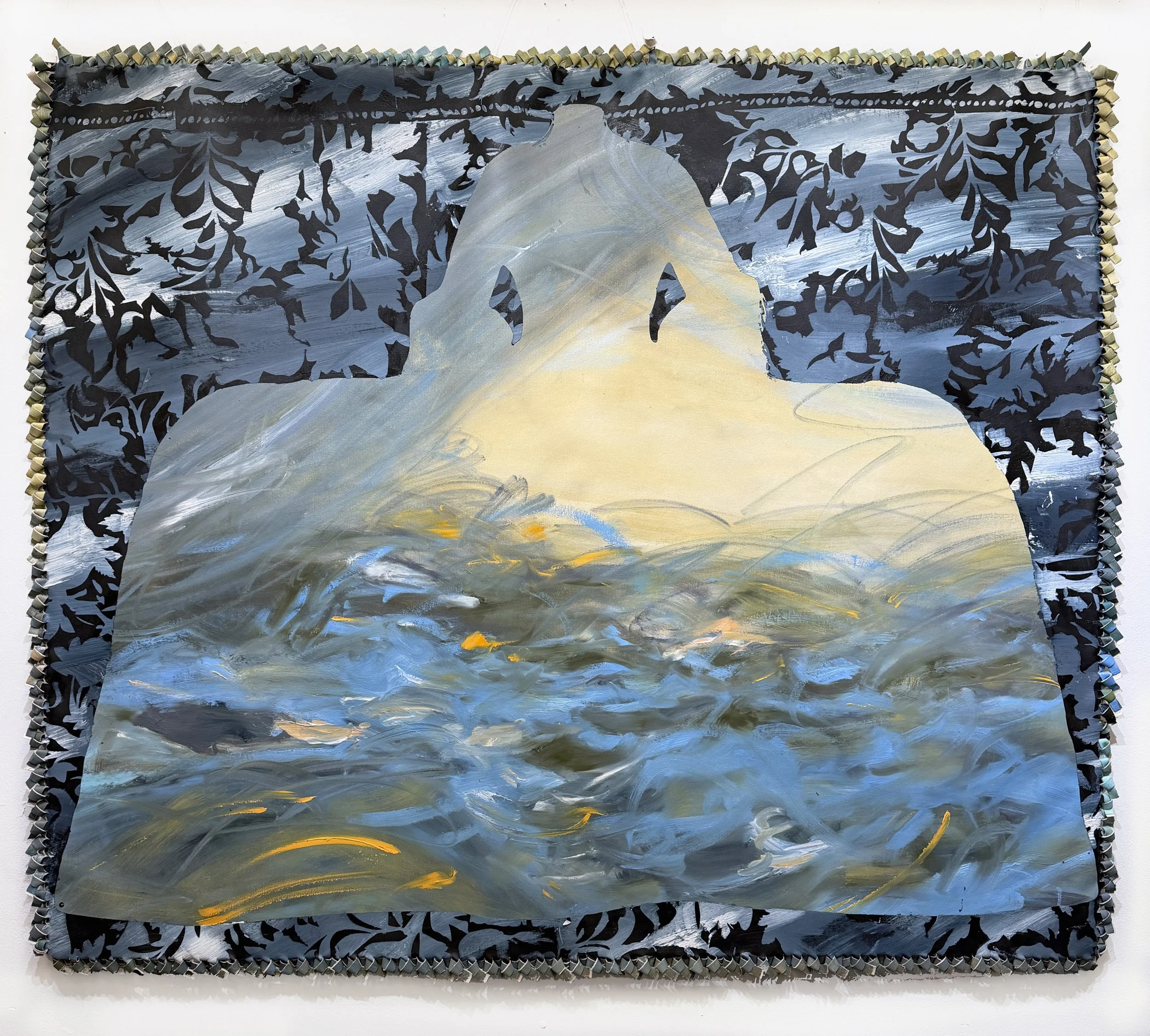
Honored to have my piece Linnaeus Botanicus | Winter Landscape Overtaken by “Geraniologia Historia” and Casper Friedrich’s “Wanderer Above Sea Fog” exhibited in the DC Art Now finalist show, on until December 11, 2026. Stop by and see some awesome work from DC Artists and keep your fingers crossed that “Wanderer” will become part of the DC Art Bank collection!
From DC Art Bank website:
In support of local visual artists and District art nonprofit organizations, the DC Commission on the Arts and Humanities acquires fine art from artists living and working across the metropolitan region. The ongoing and annual acquisition of art becomes a part of the Art Bank Collection and is then loaned to District Government agencies for display in public areas and offices of government buildings. The Art Bank Collection, which started in 1986, has over 3,000 artworks.
DC Art Now 2026 is an annual exhibition of selected work by finalists for the FY27 Art Bank Program grant. It features many of the most exciting emerging and established artists working in the DC metropolitan region today. Stop by our Eye Street Gallery and see DC come to life through photography, sculpture, painting, printmaking, textiles, and more! The gallery is free and open to the public Monday to Friday, 9 am to 6:00 pm.
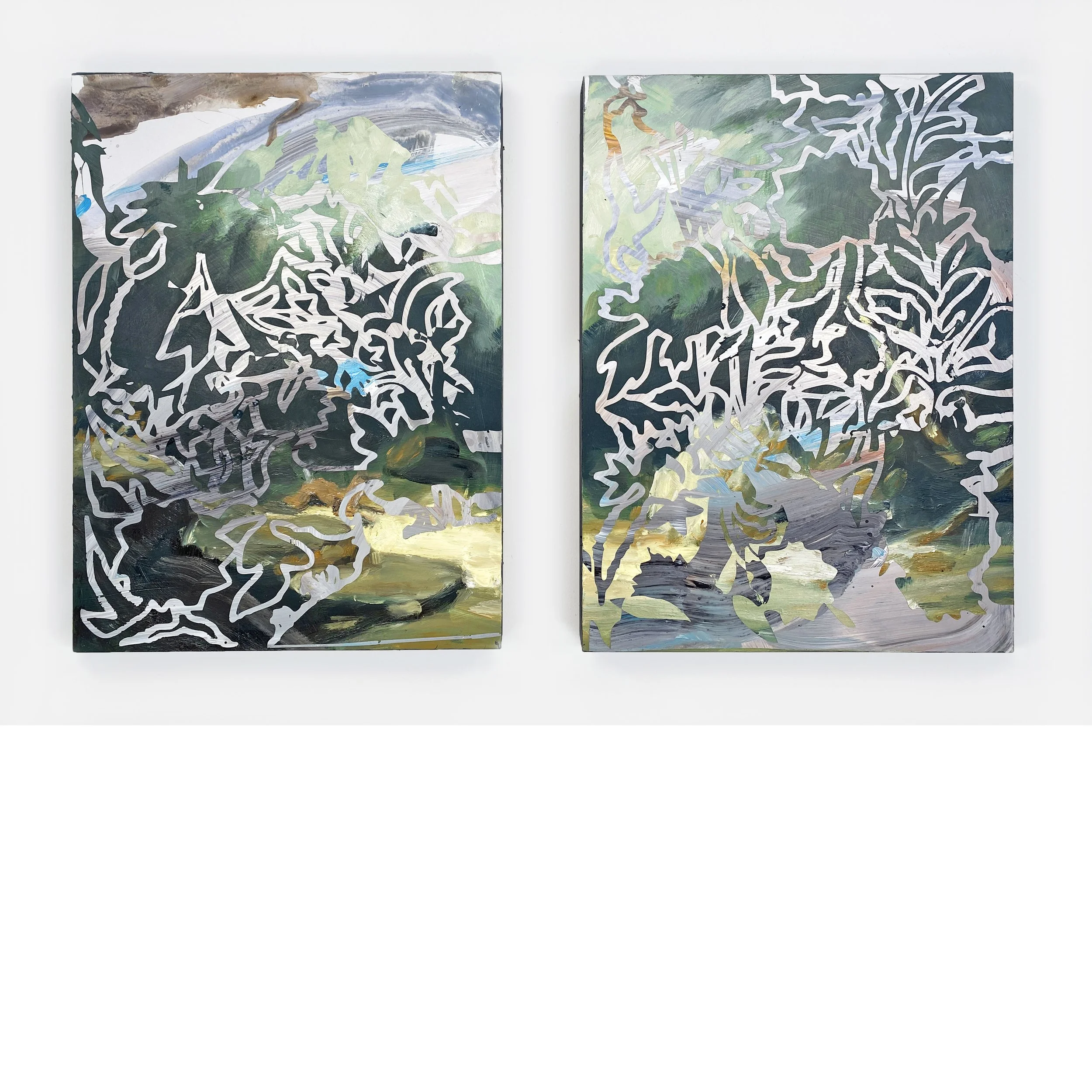
McLean Project for the Arts Fall Solo at the Berlage Center for Arts and Education
I am pleased to present work in a solo show at McLean Project for the Art’s Berlage Center in McLean, VA. Opening Reception September 17, 2026.
Opening Reception Thursday, September 21, 7 pm
Tea & Talk: Presented by the Mather Wednesday, September 30, 11am
Artist Talk Thursday, October 29, 7pm
A selection of my human Nature paintings including Linnaeus Botanicus and Entropic Systems sub-series will be on display in the John and Sally Simms Gallery at the Berlage Center for Arts and Education in McLean, VA.
Sally Veach creates multi-layered landscape paintings from her studio at the Torpedo Factory Art Center in Alexandria, VA. Her work investigates human intervention in the natural world, and resides in the permanent collections of the Museum of the Shenandoah Valley, the City of Alexandria, Fairfax County, Virginia, and corporate collections
Made possible through support from The O'Shaughnessy-Hurst Memorial Foundation
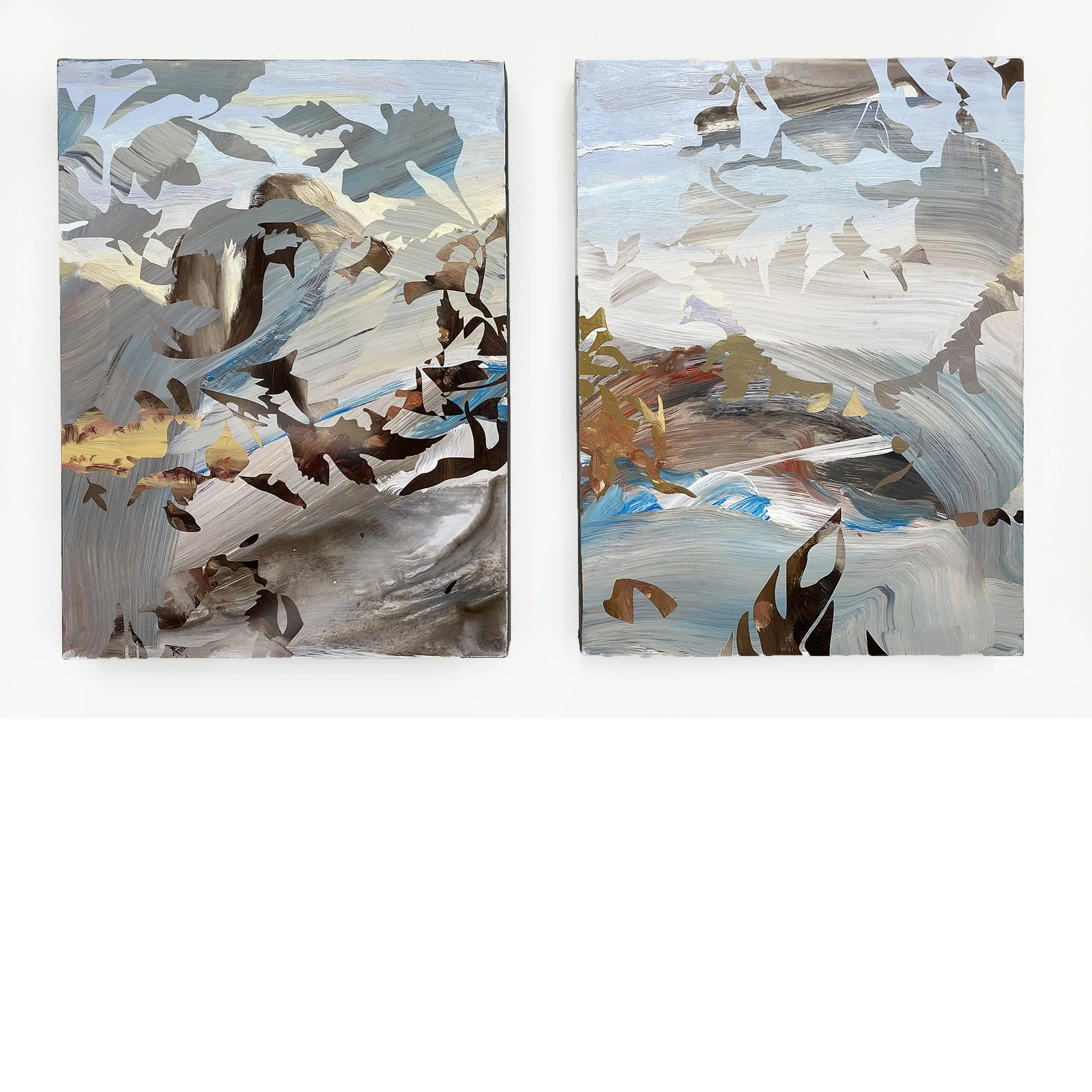
Common Things: Art and Objects in Public Life at the Katzen Museum
It is an honor to participate in this group exhibition at the American University Museum at the Katzen Arts Center, Washington,DC. Curated by Crowstep Projects in partnership with the Hannah Arendt Center of Bard College.
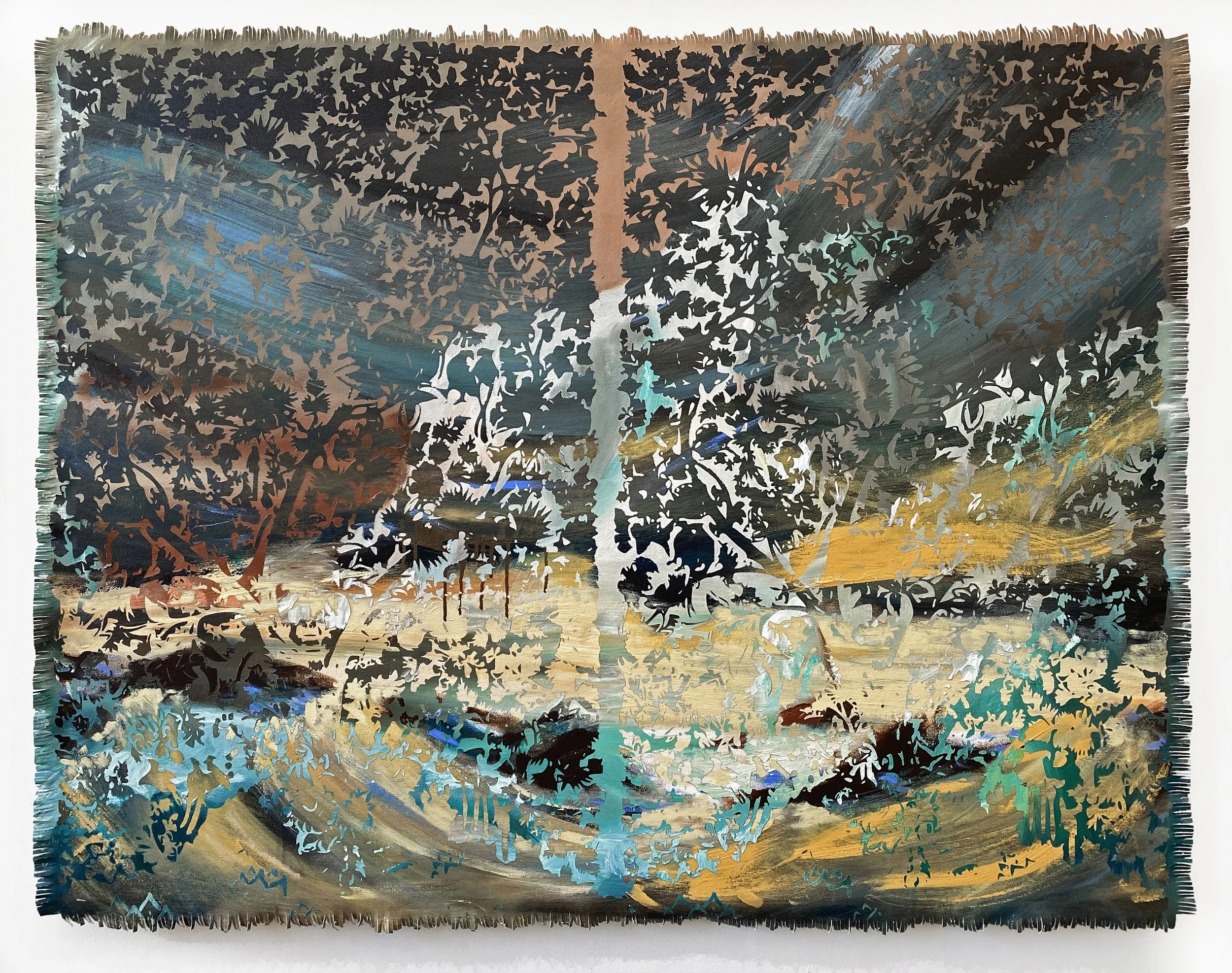
Duo Show with R. Wayne Reynolds at Vanderbilt University‘s Sarratt Gallery
A selection of my human Nature paintings will be on display along with work by R. Wayne Reynolds.
Hubris and the Sublime and Yellow Boy: Ancestral Reckoning on the Red Moshannon at GoggleWorks Center for the Arts
201 Washington St, Reading, PA 19601
In this immersive exhibition, artist Sally Veach uses sight and sound to investigate her ancestry and humanity’s historical drive to control natural systems and nature’s indomitable power. This is her most ambitious show to date.
The installation explores how the philosophical concept of the Sublime—that overwhelming sense of awe and terror before nature’s magnitude—finds renewed urgency as climate anxiety intensifies. Hubris, humanity’s arrogant confidence in its dominion over the natural world, stands in stark opposition to the Sublime. The exhibition examines this tension: our persistent belief that we can master nature even as we face the consequences of that arrogance.
Veach employs energetic gestural strokes to invoke the power of the natural world. She sources decorative patterns and botanical illustrations from museums and rare-book library collections, using them as metaphors for humanity’s impulse to control and commercialize nature. Historic Indian chintz textile patterns represent colonialism and the cotton trade. Scientific illustrations indicate the naming and ordering of the natural world as another form of control and appropriation. These elements are layered over gestural representations of sublime natural power and romantic landscape interpretations. Many works feature frayed and fringed edges that remind viewers the substrate is cloth made from cotton or linen.Yellow Boy: Ancestral Reckoning on the Red Moshannon takes this investigation further. Drawings created with iron oxide pigments harvested from acid mine drainage on her ancestral coal-leased land in Pennsylvania transform toxic legacy into art. Proceeds of drawing sales are donated to the Moshannon Creek Watershed Association for remediation efforts.