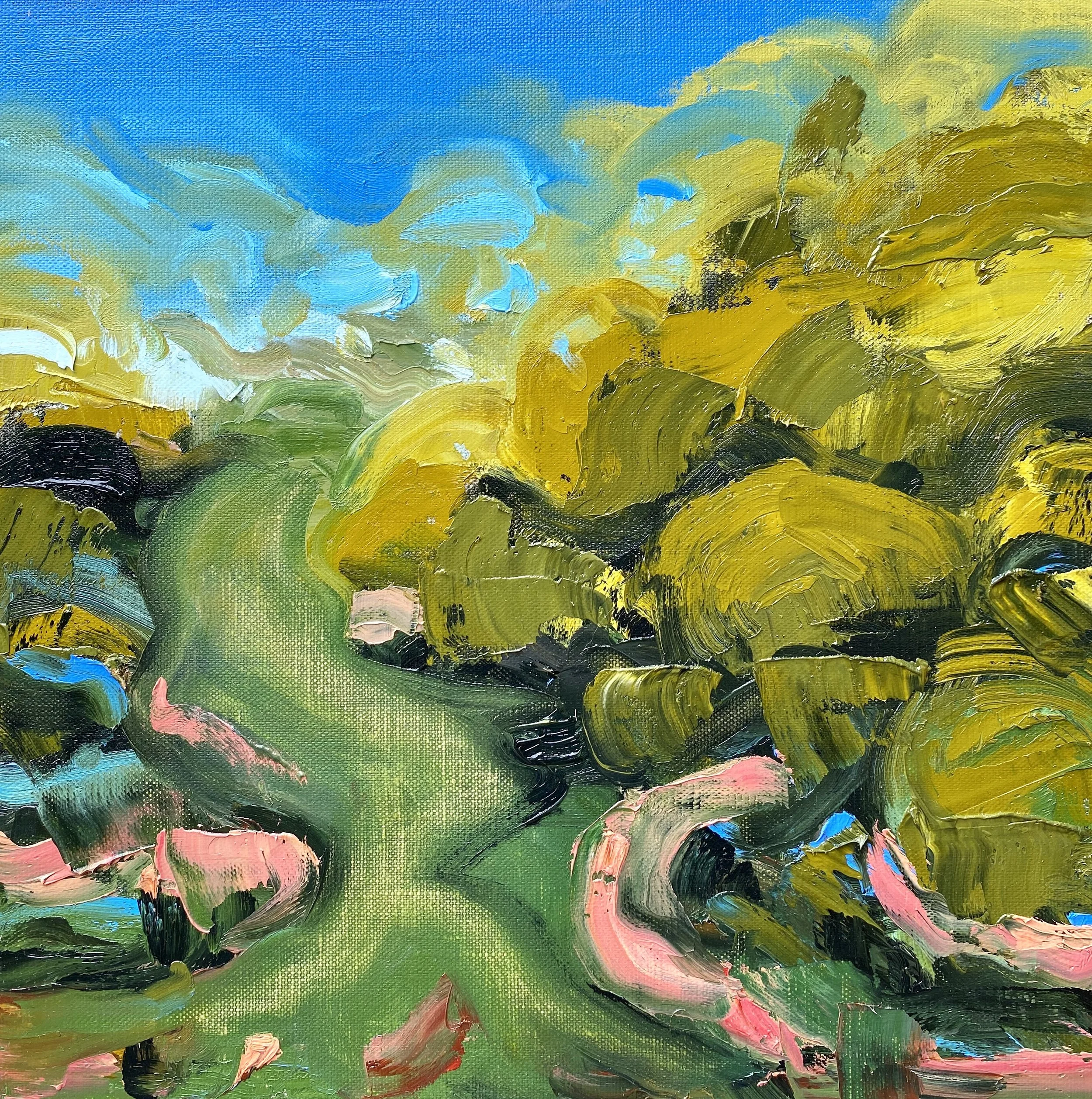
Vetus Agri 3, oil on linen panel, 12" x 12", 2020

Vetus Agri 4, oil on linen panel, 16" x 20", 2020

Vetus Agri 5, oil on gesso panel, 11" x 14"

Vetus Agri 6, oil on linen panel, 16' x 20", 2020

Vetus Agri 8, oil on gesso panel, 12" x 16", 2020

Vetus Agri 9, oil on gesso board, 12" x 16", 2020

Vetus Agri 10, oil on linen panel, 16" x 20", 2020

Vetus Agri 11, oil on gesso panel, 12" x 12", 2020

Vetus Agri 12, oil on gesso board, 12" x 12", 2020

Vetus Agri 16, oil on gesso board, 12" x 16", 2020

Vetus Agri 17, oil on gesso board, 12" x 16", 2020
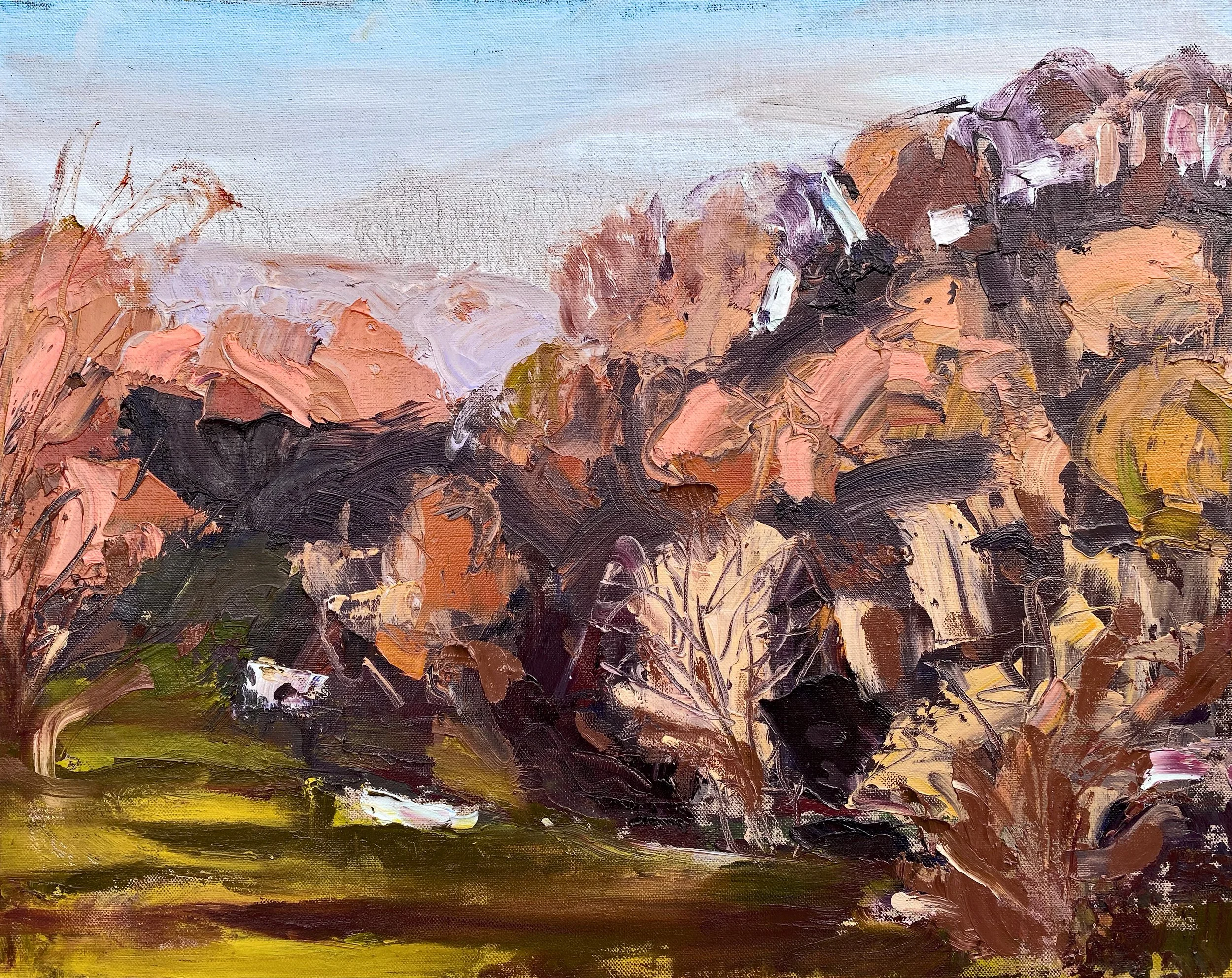
Vetus Agri 18, oil on linen panel, 16" x 20", 2020

Vetus Agri 19, oil on gesso panel, 12" x 16", 2020

Vetus Agri 21, oil on gesso panel, 12" x 12", 2020

Vetus Agri 22, oil on gesso panel, 12" x 12", 2021

Vetus Agri 25, oil on gesso panel, 12" x 16", 2020

Vetus Agri 26, oil on gesso board, 12" x 16", 2020

Vetus Agri 30, oil on gesso panel, 8" x 10", 2021
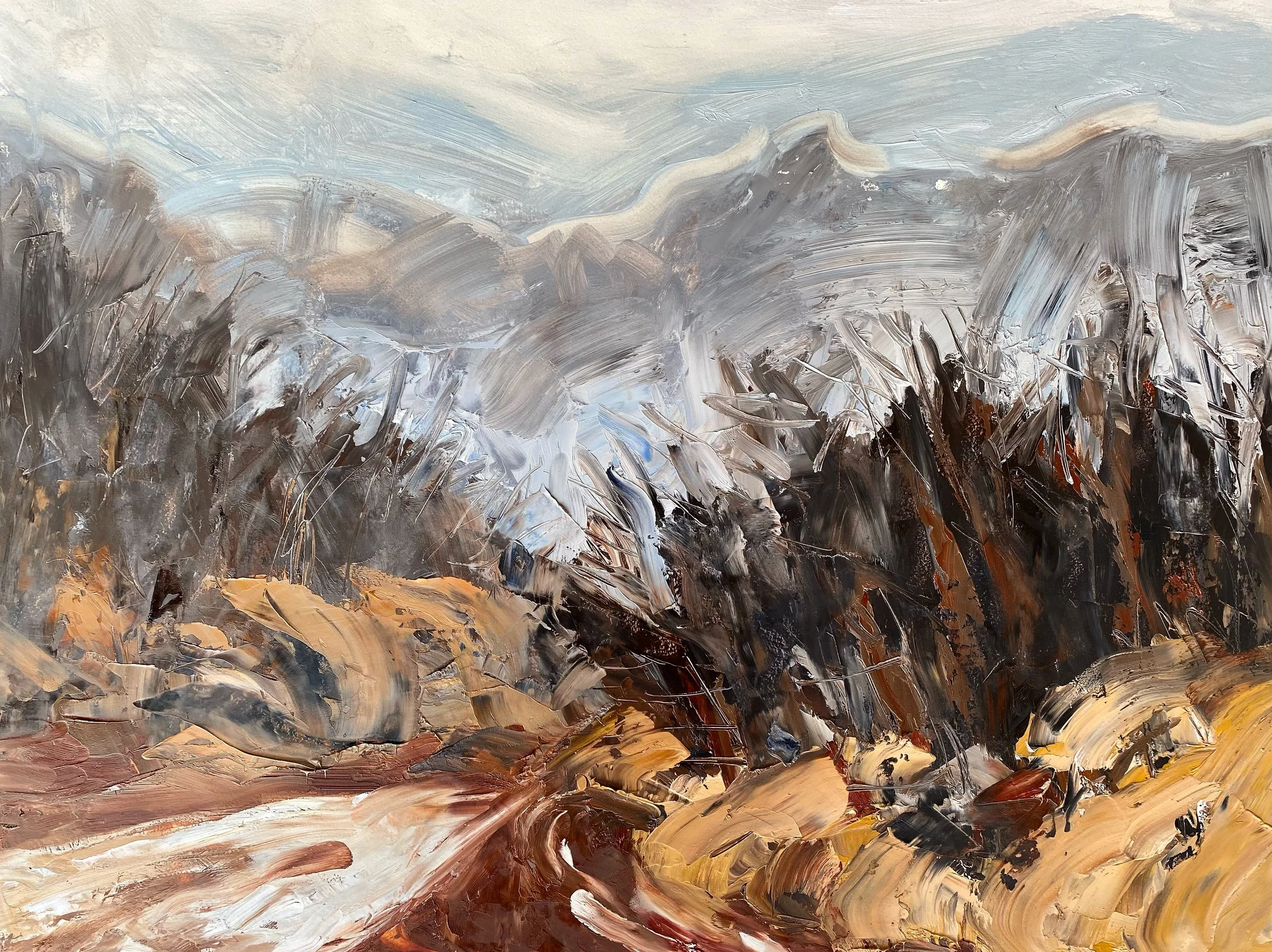
Vetus Agri 31, oil on wood panel, 16" x 20", 2021

Vetus Agri 32 (Mud Season), oil on wood panel, 24" x 30", 2021. One of two studio works.

Vetus Agri 34, oil on wood panel, 16" x 20", 2021

Vetus Agri 36, oil on gesso board, 12" x 12", 2021

Vetus Agri 37, oil on canvas, 20" x 16", 2021

Vetus Agri 38, oil on gesso board, 12" x 16", 2021

Vetus Agri 41, oil on linen panel, 24" x 30", 2021

Vetus Agri 43, oil on linen panel, 12" x 12", 2021

Vetus Agri 42, oil on linen panel, 12" x 12", 2021
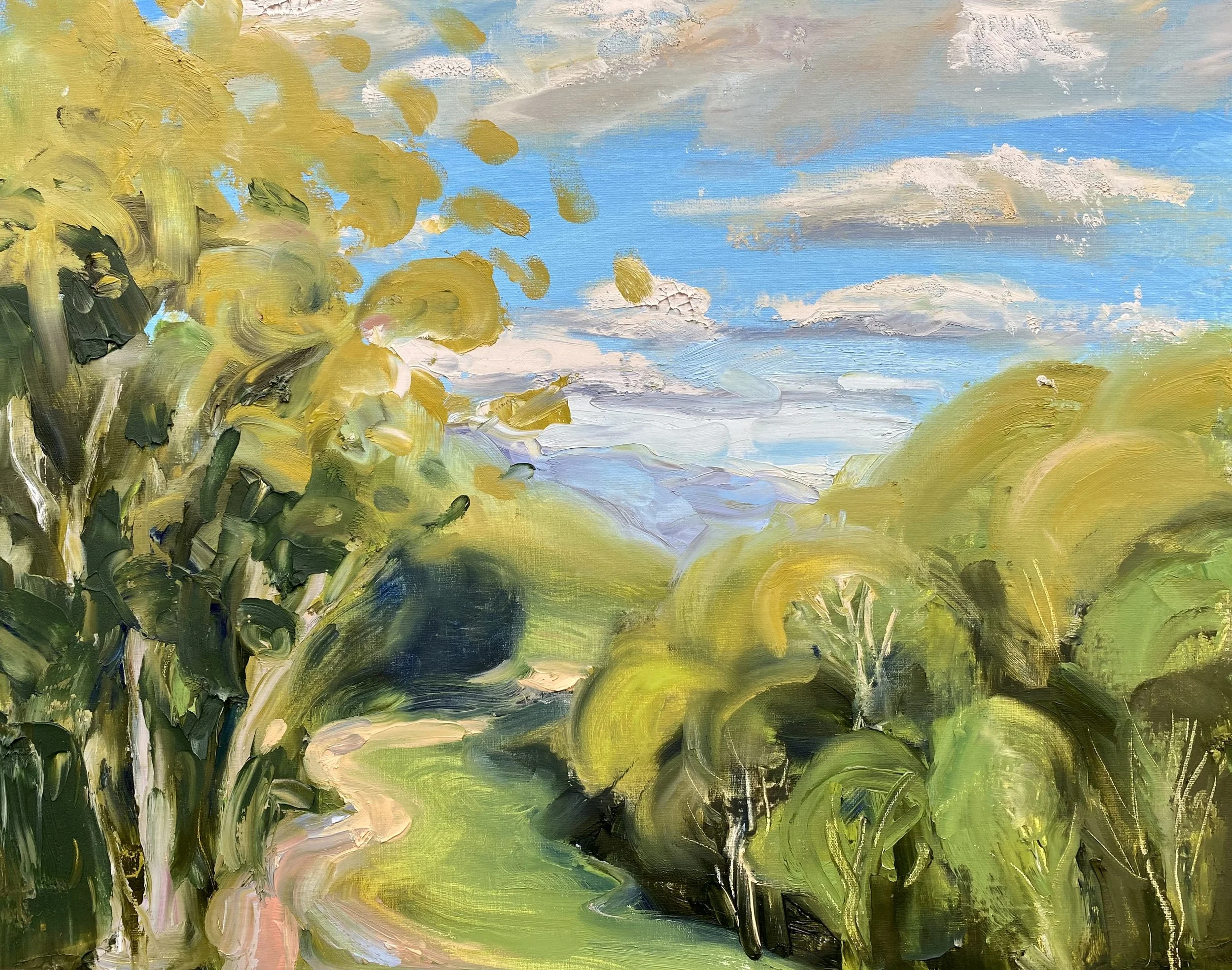
Vetus Agri 45, oil on linen panel, 16" x 20", 2021

Vetus Agri 46, oil on linen panel, 16" x 20", 2021

Vetus Agri 47, oil on linen panel, 16" x 20", 2021

Vetus Agri 48, oil on linen panel, 12" x 12", 2021

Vetus Agri 49, oil on linen panel 16" x 20", 2021

Vetus Agri 50 (Bison), oil on gesso panel, 16" x 20", 2021. One of two studio works
This is a series of fifty plein air paintings completed during the pandemic. The title comes from the setting, Old Fields, West Virginia. Vetus Agri is Latin for “old fields”. During lockdown, I found refuge at a cabin on family-owned, mountain land. The term old fields refers to fields that indigenous communities once cultivated. I chose Latin words to further describe Western European colonialism. Place names are harbingers of human history. I acknowledge that my ancestors belonged to the culture that took this land from it’s inhabitants.
Vetus Agri, 2020-2021
The earliest indigenous cultures we know of were the Adena people, who were mound builders. Several thousand members of the Huron tribe occupied present-day West Virginia during the late 1500’s and early 1600’s. The area around Old Fields was inhabited by the Tuscarora tribe in the 1700’s. After that the area was controlled by the Iroquois confederacy and used as hunting grounds. A probable indigenous mound can be found at the highest point of our property. Nearby is a stand of native prairie grass called Sorgastrum Nutens. This grass contributed to the diet of bison that native peoples managed and hunted.